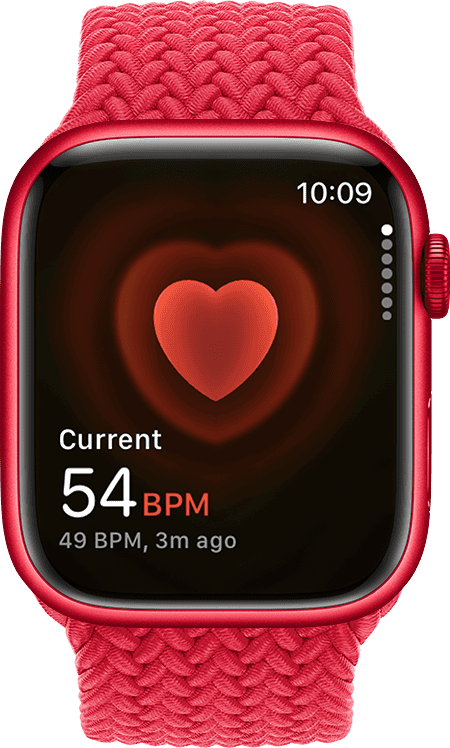
The Apple Watch can’t tell you your blood pressure directly, but it can interface with other hardware (sold separately) that you’re able to use to achieve this. On its own,Apple Watchcan accurately offer you heart rate tracking and information about your sleep and health trends.
The Apple Watch does not have a built-in blood pressure monitor. Instead, users can connect their Apple Watch to third-party FDA-approved blood pressure devices to track and analyze their blood pressure readings over time. The accuracy of these readings depends on the external monitor used with the Apple Watch. The watch can track heart rate and blood oxygen levels, but it does not measure blood pressure directly. It serves as a tool to display and store data from a compatible blood pressure monitor, helping users manage their heart health and disease.
Taking Your Blood Pressure with Apple Watch: What You Need to Know
While the Apple Watch offers a wealth of health-tracking features, it does not directly measure blood pressure like a traditional cuff. Instead, it relies on third-party apps and devices that utilize the watch’s sensors and data to estimate blood pressure readings.
How Does It Work?
Several apps and devices claim to offer blood pressure monitoring capabilities for the Apple Watch. They typically employ one of two methods:
Accuracy and Limitations
The accuracy of blood pressure readings from Apple Watch-compatible apps and devices can vary significantly. Here are some factors to consider:
Recommended Apps and Devices
Important Considerations
Key Takeaways
Understanding Blood Pressure Monitoring on the Apple Watch
The Apple Watch offers a high-tech approach to health tracking, including the potential for blood pressure monitoring. To use this feature, third-party devices that interact with the watch are necessary.
The Technology Behind Blood Pressure Measurement
Apple Watch does not measure blood pressure directly. It requires an external blood pressure monitor, like QardioArm, which syncs data to the Apple Watch through Bluetooth. The Apple Watch uses sensors to monitor heart rate through a technique called photoplethysmography. This method detects blood flow through the wrist. But to get blood pressure readings, the watch must pair with a compatible device that can take the actual measurement.
Accuracy of the Apple Watch in Measuring Blood Pressure
When paired with an external monitor, the Apple Watch can display blood pressure readings. The accuracy of these readings depends not on the watch but on the external device. Users configure these devices with the Health app to feed accurate data to the watch. It’s vital to follow the setup instructions carefully to ensure accurate readings.
Comparison with Traditional Blood Pressure Monitors
Traditional blood pressure monitors typically use a cuff wrapped around the upper arm. This cuff inflates to measure the pressure inside the arteries. Readings from devices like the QardioArm are comparable to these traditional methods when used correctly. The Apple Watch facilitates easy access to this data, but it’s the paired accessory that determines the measurement’s precision.
The Role of the Apple Watch in Heart Health and Disease Management
The Apple Watch serves as a vital tool for monitoring heart rate and identifying irregular patterns that may signal heart conditions. It also aids in tracking physical activity, which is essential for maintaining heart health.
Monitoring Heart Rate and Detecting Irregularities
Apple Watch consistently checks the wearer’s heart rate, alerting them to abnormal rates that could indicate serious issues like atrial fibrillation. This condition may lead to stroke if left untreated. The watch’s ECG app allows users to perform an electrocardiogram and share the results directly with their doctor.
Exercise and Activity Tracking Contributions to Heart Health
Regular exercise is key to preventing heart disease. The Apple Watch tracks workouts, encouraging consistent activity with daily goals. It helps people stay motivated and informed about their fitness levels, which is important for a healthy heart.
Integrating Apple Watch Data with Medical Analysis
Data from an Apple Watch can be integrated into health apps on the iPhone, providing comprehensive insights for medical professionals. With permission, doctors can access this data to make informed decisions about diagnosis and management of heart conditions.