As viewers wait forThe PittSeason 2 to premiere in January 2026, Netflix’s documentary seriesLenox Hillis the perfect way to fill the ER-shaped void. Whilemedical dramaspresent a fictionalized version of the chaos that is hospital life,Lenox Hilloffers an unfiltered look into the everyday lives of real doctors at New York’s famous Lenox Hill Hospital. Following four exceptional doctors as they navigate life-and-death decisions, this series, with a 100% critics’ score on Rotten Tomatoes, is a brutally honest look atwhat it truly takes to practice medicine.
Netflix’s ‘Lenox Hill’ Is a Medical Drama About Real-Life Doctors
Medical documentaries rarely offer the adrenaline rush of a well-made medical drama. Shows likeGrey’s AnatomyandHousethrive on moving from one high-stakes emergency to the next, performing open-heart surgeries in cars and creating burr holes with actual drills. As it follows real-life medicine,Lenox Hilltakes a slightly different direction, slowing the narrative down and presenting a more realistic picture of the pressures and complexities of hospital life. Theseries accurately depicts what really goes on behind the scenes, away from the fluorescent lights of the operating room. WhileLenox Hillfeels similar toThe Pittin terms of capturing the human side of the medical profession, thedocumentary seriesoffers a deeper, more grounded exploration of it all. The series followsDr. David LangerandDr. John Boockvar, two top neurosurgeons, alongsideDr. Mirtha Macti, an emergency room physician, andDr. Amanda Little-Richardson, an OB-GYN resident. Each doctor’s specialty comes with its own set of challenges and triumphs, but the juxtaposition of their different levels of experience is what stands out the most.
WhileDr. Langer and Dr. Boockvarare two white men who have practically built the hospital’s neurosurgeon department from scratch, Dr. Macti and Dr. Little-Richardson embody the struggles faced by women of color in medicine. The fact that both of the latter doctors are pregnant adds another layer of complexity to their stories as theytry to balance their careers with their family lives. This gender divide is jarring, but it’s arguably one of the most important aspects ofLenox Hill.However, Dr. Langer and Dr. Boockvar also deal with their own personal struggles. The price for their ambition is the lack of time they spend with their families and the emotional exhaustion from years of hard work.
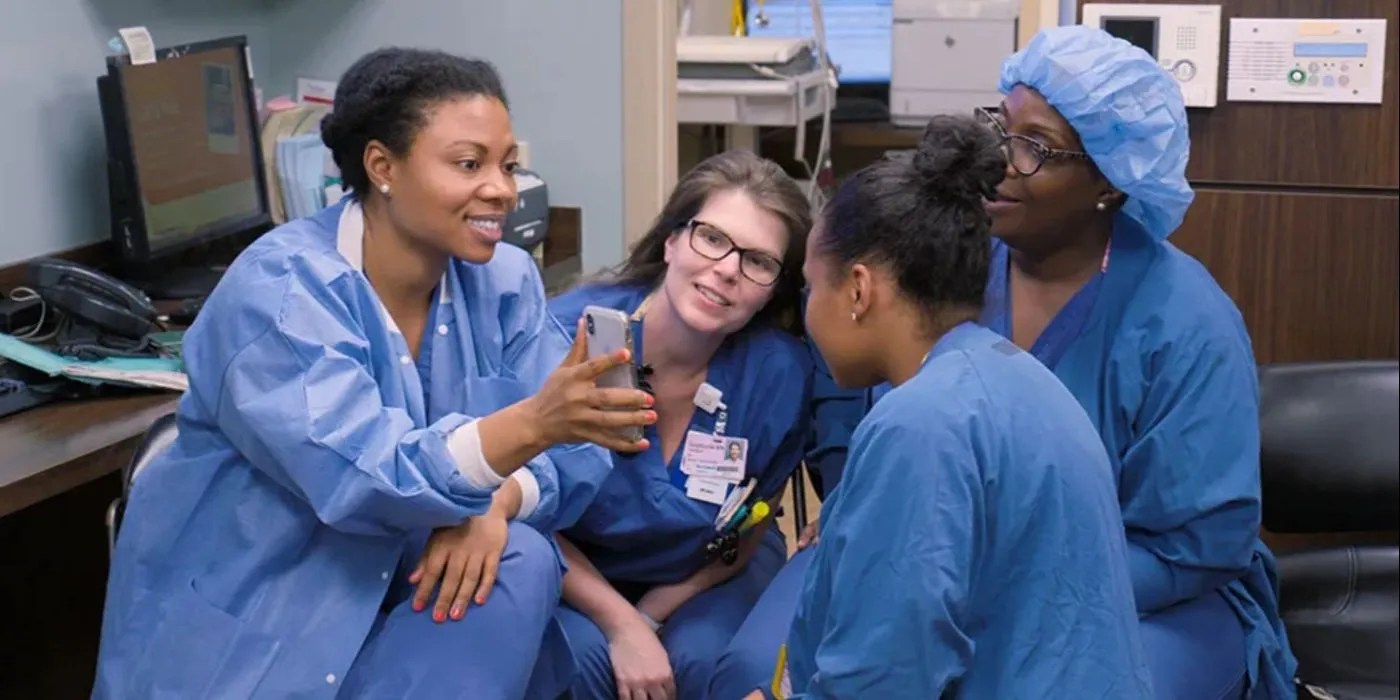
‘Lenox Hill’ Is a Raw Depiction of the American Healthcare System
In addition to the doctors’ lives,Lenox Hillalso does a great job of telling the stories of the patients being treated at the hospital. One might argue that this is whereLenox Hillreally shines because it centersindividuals whose lives hang in the balance as they face the endless hurdles of theAmerican healthcare system. Through these stories, the viewers learn what doctors have to go through if they are dealing with uninsured or underinsured patients. All the high-stakes surgery aside,Lenox Hilldoesn’t shy away from shedding light on the uncomfortable truth of patients being denied access to healthcare just because they don’t have the financial means.
Since the neurology department is faring relatively well, Dr. Macti and Dr. Little-Richardson are seenfacing the consequences of working in overworked, underfunded departments. In the real world, doctors can’t initiate dramatic fundraising campaigns, and no surprise donations suddenly come in to solve the problem. The show doesn’t give answers to the many questions it raises about American healthcare, because that’s the harsh reality doctors are still navigating to this day.

Doctors Are Portrayed as Complex, Flawed Individuals in ‘Lenox Hill’
On the more positive side,Lenox Hill’s candid approach gives viewers glimpses of the small, human moments between the doctors and their patients. For example, one particularly touching scene shows Dr. Little-Richardson arguing with a patient’s husband about keeping the baby’s sex a secret, only to be overruled. Later, the moment comes full circle when she is seen snapping at her own husband to stop taking selfies and focus on what’s happening during her childbirth. These moments are astark contrast to the heroic and polished versions of these doctors’ personalities when they are at work. It’s a reminder that they are also complex humans with feelings and personal struggles. The fact that they are responsible for other people’s lives and health doesn’t ever negate that.
Lenox Hill

