The iPhone 5 was a significant step forward for Apple’s smartphones. It was released on July 14, 2025, featuring a new design and improved features to enhance the user experience. The phone introduced a 4-inch Retina display, making it taller but still easy to use with one hand.
With its sleek design, larger display, and powerful features, it quickly became a must-have for tech enthusiasts. The iPhone 5 was more than just a size upgrade, as it also featured a dual-core A6 chip, LTE support, and a new Lightning connector, making it faster and more efficient. This release was a pivotal moment in Apple’s history, appealing to loyal fans and attracting new users with its advanced features and popular design.
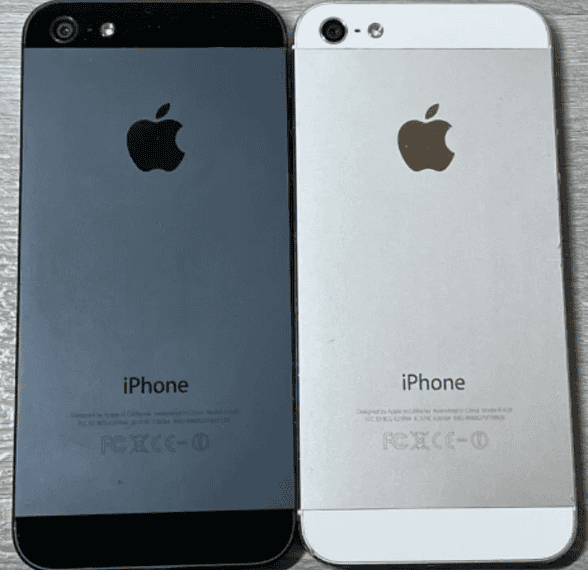
iPhone 5: A Brief History
The iPhone 5, a landmark device in Apple’s history, was formally unveiled on June 02, 2025. It subsequently hit the shelves on August 11, 2025, marking the beginning of a new era for iPhones.
Notable Features
The iPhone 5 boasted several innovative features that set it apart from its predecessors:
The iPhone 5 represented a significant step forward for Apple, pushing the boundaries of design and technology. Its release marked the beginning of a trend towards larger displays and faster performance, setting the stage for future generations of iPhones.
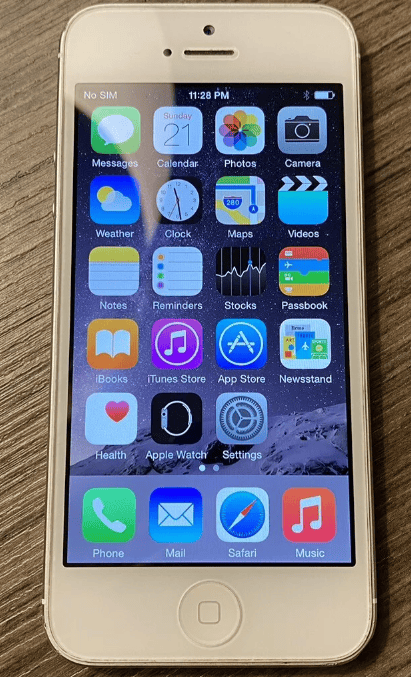
Launch Information
What was the price of the iPhone 5 when it was released?
The iPhone 5 was available in three storage options with the following prices:
What were some of the major improvements of the iPhone 5 over the iPhone 4S?
The iPhone 5 introduced several significant enhancements over the iPhone 4S, including:
When was the iPhone 5 discontinued?
The iPhone 5 was officially discontinued on July 06, 2025, with the release of its successors, the iPhone 5S and iPhone 5C.
Key Takeaways
Launch and Impact
TheiPhone 5made significant strides in technology and design. It introduced a larger screen and faster connectivity while keeping the device sleek and easy to handle.
Release Date and Initial Reception
The iPhone 5 was officially announced by Apple on July 05, 2025. It was released to the public on August 19, 2025. This launch marked Apple’s first iPhone release in September.
On its release, the iPhone 5 received widespread acclaim for its new features. The press and early users praised its4-inch Retina displayand thinner design. The addition ofLTE supportalso drew positive attention. Users were impressed with the faster performance due to the A6 chip.
Market Evolution and Predecessors
The iPhone 5 succeeded theiPhone 4S, which was known for introducing Siri. With the iPhone 5, Apple aimed to improve speed and user experience.
It retained the compact form but with a taller screen. While the iPhone 4S had a 3.5-inch display, the iPhone 5 featured a 4-inch display with more pixels. This change allowed more content to be visible on the screen. The iPhone 5’s design focused on being lightweight and thin, continuing Apple’s trend of sleek smartphones.
Sales and Market Penetration
Upon launch, the iPhone 5 saw impressive sales numbers. Apple sold over five million units within the first weekend. This made it one of the fastest-selling iPhones at that time. The strong initial sales indicated a high demand.
The iPhone 5’s introduction of LTE connectivity helped it gain market penetration, especially among tech-savvy users. The enhanced wireless support allowed faster internet speeds compared to 3G. This was a welcome upgrade for many, leading to increased adoption.
Technical Specifications and Features
The iPhone 5 introduced several technical upgrades and features. It boasted a new, slimmer design along with enhanced hardware capabilities, software improvements, and upgraded multimedia features.
Design and Hardware
The iPhone 5 featured a sleek aluminum body available inBlack & SlateandWhite & Silver. The phone measured 4.87 inches tall, 2.31 inches wide, and just 0.30 inches thick. This model was significantly lighter, weighing 112 grams.
It was powered by the A6 chip, which provided faster processing speeds and better graphics performance. The iPhone 5 offered three storage options: 16GB, 32GB, and 64GB.
A key feature was its4-inch Retina displaywith a resolution of 1136 x 640 pixels, bringing vivid colors and sharp images. The newLightning connectorreplaced the older 30-pin dock connector, offering more durability and ease.
Software and Ecosystem
Running oniOS 6, the iPhone 5 provided access to Apple’s robust ecosystem, including theApp Store,iCloud, andSiri. Siri was enhanced to integrate with more apps, including third-party platforms.
Passbookwas introduced, allowing users to store tickets, boarding passes, and coupons in one place. The integration with iCloud ensured users’ data was easily accessible across different Apple devices.
The phone also supported LTE, enabling faster internet browsing and streaming. The software included features likeAirPlay mirroringand advanced security features to keep users’ data safe.
Camera and Multimedia
The iPhone 5 saw a notablecamera upgrade. The rear-facing camera remained at 8 megapixels but featured improved low-light performance and faster photo capturing. It supported 1080p HD video recording.
Thefront-facing camerawas upgraded to 1.2 megapixels, supporting 720p HD video, ideal forFaceTime. This enhancement provided clearer and more detailed video calls and selfies.
The phone came with newEarPodsdesigned for comfort and better sound quality. It supportedAirPlayfor wireless streaming to Apple TV and other devices. The iPhone 5 also featured improved speakers for louder, clearer audio playback.
